
The most common mistake: thinking that anyone can take the photos
One of the most common mistakes is not hiring a professional photographer. The value of a good image is often underestimated, and this task ends up being left to the business owner or an employee, using a mobile phone.
I’m not saying they’ll automatically be bad photos. It’s true that some people with a good eye can get good results with a mobile phone. But the risk of that not happening is always there.
The problems of taking photos without being a professional:
- Not noticing if your phone’s lens is dirty can cause blurry or out-of-focus images
- Lack of adequate resolution
- Crooked, incorrect perspective or distorted photos
- Poorly lit images
- Incorrect use of flash
- messy backgrounds
- Images that do not match the brand’s style
- Inappropriate perspectives and/or framing
- etc.
All of this means that your business photos don’t convey what they should, and in the worst case scenario, they can give a negative impression to your customers.
Taking a good photo is not just about pressing a button
A professional photograph involves a process that often goes unnoticed. It’s not just about having a good camera or knowing how to frame a shot. These are some of the steps involved:
- Análisis del espacio
- The space is studied to understand how to take advantage of it visually.
- Defining a style
- It is important that the image is aligned with the business identity
- Art direction (if applicable)
- Depending on the project, it may be necessary to define a more complex aesthetic line or create a special atmosphere.
- Inspiration and creative proposal
- It’s not just about execution, but about proposing ideas that improve what you want to show.
- Practical experience
- Knowing what works, what doesn’t, and how to quickly resolve unexpected problems
- Lighting setup
- Lighting is key to highlighting products, spaces, or people
- Professional equipment
- Have on hand what you need to obtain quality results: cameras, lenses, flashes, tripods, etc.
- Order and cleanliness of the space
- Remove distractions, cables, unnecessary posters, loose papers…
- File backup
- Save the material
- Post-production
- Edit images to visually highlight and/or underline a message
- Review and visual consistency
- Analyze all the photos together to ensure they have a clean visual aesthetic.
- Export and final delivery
- Export the files in the correct formats according to their use (web, social media, printing, etc.) and upload them to deliver them to the client in an organized manner.
- Export the files in the correct formats according to their use (web, social media, printing, etc.) and upload them to deliver them to the client in an organized manner.
Can you really do it in 5 minutes with your mobile phone?
Sure, you can take a quick photo with your phone. But the question is: Does that image truly represent the best of your business?
Often, we’re unaware of what a bad photo is revealing: a lack of care, improvisation, and unprofessionalism. Your business’s image is a direct extension of your brand. And if it doesn’t convey value, the customer might simply walk right past.
A good photo communicates professionalism, confidence, value, and commitment.
In many cases, your image is the first contact a customer has with your business. A good photograph can instantly build trust. A bad image can make people not take you seriously.
A good photo:
- Attracts attention
- Build trust
- Strengthen your brand
- Communicate quality and professionalism
- Differentiate your business from the competition
It’s not an expense, it’s an investment
Hiring a professional photographer isn’t an unnecessary expense; it’s an investment in your brand’s perception. It’s using imagery as a strategic tool to attract more clients and improve your brand positioning.
Real case: Corporate photosession for El Espacio del Gourmet
In this case, we photographed the interior of Espacio del Gourmet in Santa Cruz de Tenerife, a shop specializing in gourmet products. The images reflect the essence of the brand: they convey quality, trust, and commitment, demonstrating that they offer high-end products and represent themselves with the same level of excellence. The high contrast and controlled lighting reinforces the feeling of exclusivity and attention to detail.


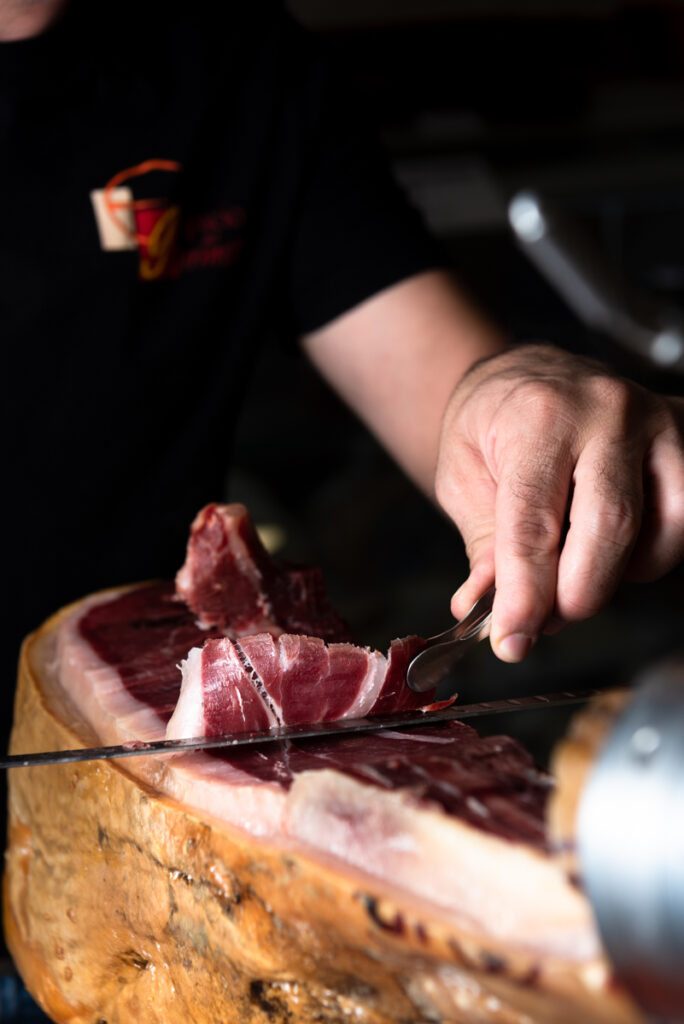
Check out the entire session of the Gourmet Space.
Conclusion
Behind every good photo lies experience, technique, intention, and a lot of hard work. It’s not about having a good camera or a new phone, but about knowing how to use the right tools to show the best of your business.
So the next time you think about taking some quick photos on your own, ask yourself:
What image do I want to project?
And if the answer is “a professional image,” then you know what you have to do.
Discover how Lumenzeit can help you get professional images of your business.
Check out the portfolio